
Sport and health goals
Fitness goals are measurable targets for your body, from a first pull-up or a 5k to walking 10,000 steps a day or sleeping eight hours a night. Each one works best as a plan with a clear target you can follow and track, so pick one below and set it up in Griply.

Endurance & running
Finish a Hyrox
Train from base to race day

Strength & muscle
Do 5 pull-ups
Build to your first rep

Endurance & running
Run 5k
Go from the couch to 5k

Endurance & running
Run 10k
Step up from 5k to 10k

Strength & muscle
Do a 30-day push-up challenge
Boost your max in 30 days

Strength & muscle
Hold a 10-second handstand
Work up to a freestanding hold

Everyday health
Sleep 8 hours a night
A simple wind-down routine
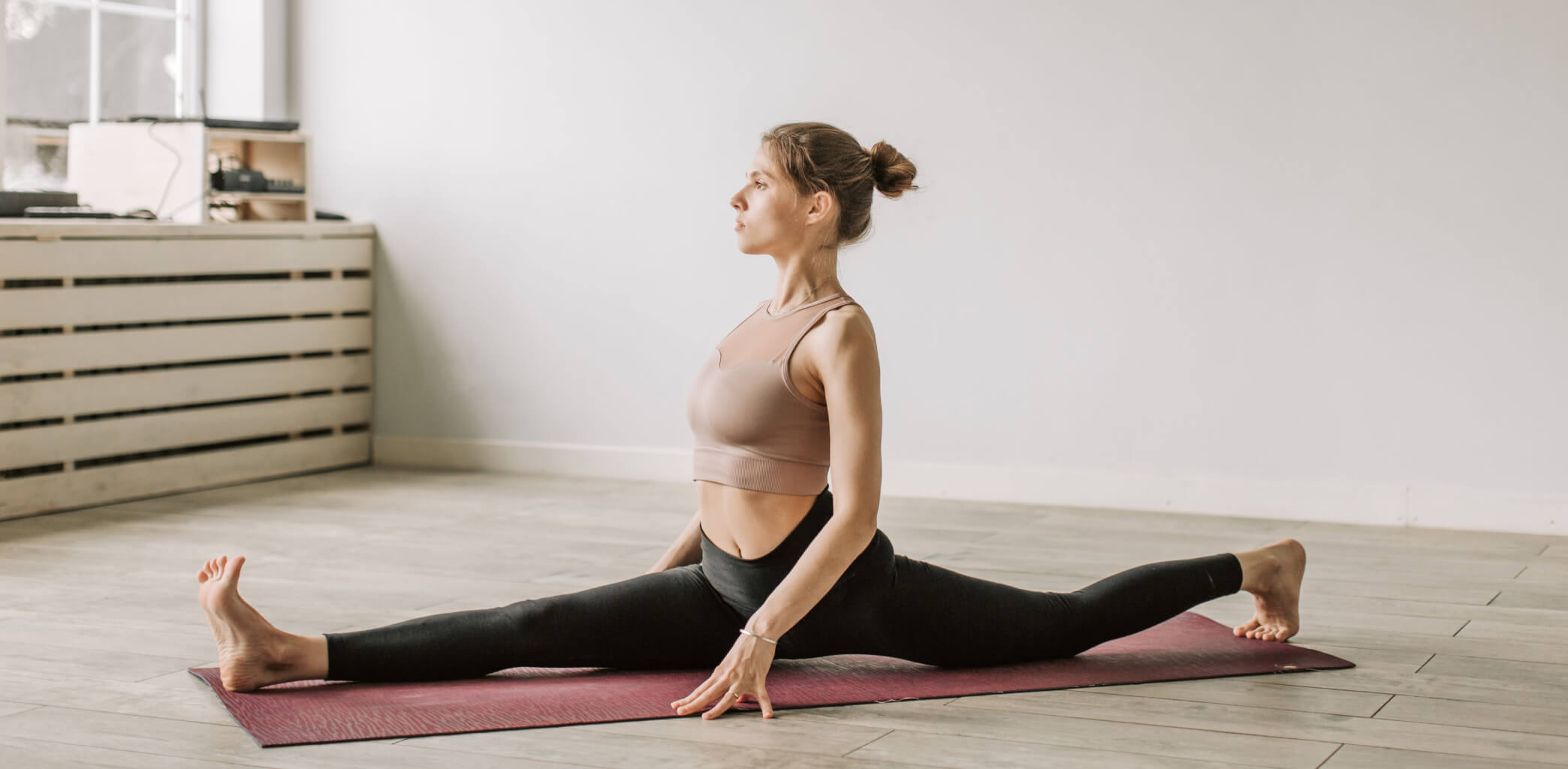
Mobility
Do the splits
Reach the floor, step by step

Everyday health
Drink 2L of water a day
Make hydration a daily habit

Everyday health
Walk 10,000 steps a day
Build the daily walking habit
How to set a fitness goal that sticks
Start from your current level, measured honestly. If you can hold a 20-second dead hang, run for five minutes, or walk 4,000 steps a day, that is your starting line, and every target scales from it.
Pick one specific, measurable goal, like a first pull-up, a 5k run, or 10,000 steps a day. A clear number and a deadline turn "get fit" into something you can train for and check off. Vague aims like "get in shape" give you nothing to act on, so name the exact outcome you want.
Break the goal into stages, so each week has a clear job. A first pull-up runs through a dead hang, negatives, and band-assisted reps; a 5k runs through walk-run intervals that get longer. Each stage has its own target, and hitting it tells you when to move on.
Then attach a habit that feeds the goal, such as training two or three times a week. The habit does the work between milestones, and consistency matters more than any single hard session.
Keep it to one or two goals at once, since a single target with a habit behind it makes faster progress than five resolutions you drop by February. Log your progress as you go, so a slow week shows up early and you can adjust before you lose momentum.
How Griply helps
Every plan here maps to the same structure in Griply. Your Sport & Health life area holds the goal, the stages become milestone subgoals, and a training habit sits underneath it. You log each session, and a progress line climbs toward your target and turns green when you hit it. The Goal Planner keeps the goal, its milestones, and the training habit in one view. On the free plan you get two goals and two habits; subgoals, habit targets, and progress charts are part of the paid plan.
Frequently Asked Questions (FAQ)
What are the best fitness goals?
The best fitness goals are ones you can measure and finish, like a first pull-up, a 5k run, or 10,000 steps a day. Attach a training habit two or three times a week and track each session toward the target.
What are examples of fitness goals?
Common examples include doing 5 pull-ups, running a 5k or 10k, finishing a Hyrox, walking 10,000 steps a day, sleeping 8 hours a night, drinking 2L of water daily, and doing the splits. Each works as a plan with one clear target.
What are the three types of fitness goals?
The three main types are strength goals like a first pull-up, endurance goals like a 5k run, and everyday health goals like a daily step target. Mobility goals such as the splits make a fourth. Griply groups its plans this way.
What are good fitness goals for beginners?
Good beginner fitness goals stay small and achievable: walk 10,000 steps a day, run your first 5k, or work toward a single pull-up. Start from your current level, pick one target, and give it a few weeks.
How do you set a realistic fitness goal?
Start from where you are now, pick one number to move, and give it a timeline. Then break it into weekly stages so each session has a clear job and target.
Other life areas

Work & Career
Promotions, raises, and career moves.
View goal plans

Personal Development
Reading, journaling, habits, and growth.
View goal plans

Money & Finance
Saving, debt payoff, budgets, and investing.
View goal plans

Fun & Relaxation
Hobbies, travel, and bucket lists.
View goal plans

Love & Relationships
Dating, friendships, and time together.
View goal plans